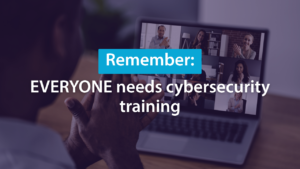
It’s easy to assume that younger employees are naturally good with technology. They’ve grown up with smartphones, social media, and apps, and they’ve been online for most of their lives. Surely they don’t need much help staying safe.
In my experience, that’s a dangerous assumption.
Being comfortable with technology isn’t the same as understanding cybersecurity.
Someone can navigate half a dozen apps without thinking, switch between devices effortlessly, and solve everyday tech problems in seconds. That doesn’t automatically mean they’ll recognize a phishing email, spot a fake login page, or understand why reusing passwords puts the whole business at risk.
One skill is about using technology. The other is about knowing when to question it.
I’ve seen businesses tailor their cybersecurity training toward the people they consider “less technical,” while newer, younger team members are expected to pick it up naturally.
The reality is that everyone has different gaps in their knowledge. One person might spot a suspicious email immediately but use the same password everywhere. Another might have excellent password habits but approve an unexpected sign-in request without a second thought because it looks familiar.
Cybercriminals don’t care how old someone is. They’re looking for the easiest way into your business, and that usually means finding the first person who trusts something they shouldn’t.
That’s why cybersecurity training works best when the whole team takes part together.
A lot of work now happens on mobile phones. Your team approves sign-in requests while traveling, opens documents on personal devices, replies to emails between meetings, and switches constantly between business and personal apps.
That creates opportunities for mistakes that didn’t exist a few years ago. Good training helps people recognize those moments before they turn into a problem.
Effective training also builds a culture where checking first is completely normal.
If someone receives an unexpected email or isn’t sure whether a login request is genuine, they should feel comfortable pausing to ask before they continue. That’s a far better outcome than hoping they made the right call.
When everyone takes part, cybersecurity becomes a shared habit rather than one person’s responsibility, and your whole business moves in the same direction.
When was the last time your team had cybersecurity awareness training? If it’s been a while, or you’re counting on people to figure it out on their own, we’re here to help you build a plan that fits how your team actually works.
Let’s connect.